Test your soil now, fix it before spring
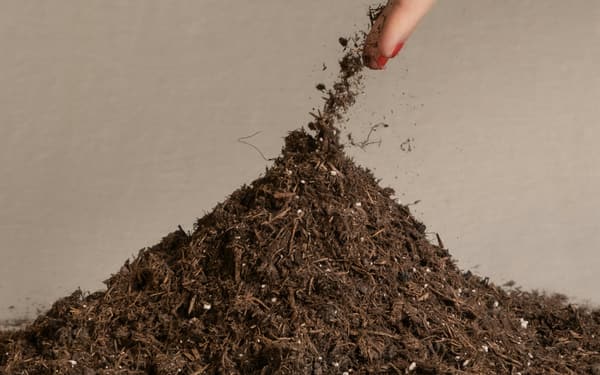
Late fall is the best time for a soil test. Labs are quiet, and fixes like lime need months to work.
If your plants struggled this year, with yellow leaves, small harvests or blossom-end rot, the soil is a good place to look. A soil test tells you two things a beginner can't see: the pH, and which nutrients are low or high.
Why test in late fall
- Fixes take time. Lime, which raises pH, takes three to six months to work. Apply it now and the soil is ready for spring planting.
- Labs are quiet. In spring, results can take weeks. In November and December they usually come back fast.
- The beds are empty, so it's easy to dig samples.
Home kit or lab?
- Home kits ($15 to $25 at garden centers) give a quick pH reading and rough nitrogen, phosphorus and potassium levels. Good for a first look.
- A lab test through your state's cooperative extension office usually costs $15 to $30 and is much more accurate. It includes recommendations in pounds per area for your crops. Search for your state name plus "extension soil test".
How to take a good sample
- Use a clean trowel and bucket (rust and fertilizer residue can skew results).
- Dig 5 to 10 small samples from around the bed, each from the top 6 inches.
- Mix them together in the bucket and remove roots and stones.
- Let the mix air-dry, then send about 2 cups to the lab, or test it with your kit.
What the numbers mean
- pH 6.0 to 7.0 suits most vegetables. Blueberries and potatoes like it lower.
- Below 6.0, many nutrients are locked up even if they're in the soil. Garden lime raises pH.
- Above 7.5, plants can show yellowing from iron and other deficiencies. Elemental sulfur lowers pH slowly.
- Low organic matter (below about 3%) means the soil dries out and compacts. Compost fixes this over time.
Always follow the amounts on your lab report: how much lime or sulfur you need depends on whether your soil is sandy or clay.
Keep a record
Add your results to your bed in Pocket Farmer (bed page, Health tab, Soil test). Recording results is free. Plus members can tap Get recommendations for amendments, amounts and timing based on the bed's size and what's growing in it. Re-test every two to three years, or a few months after making a big change.